Managing Up
Managing up
Managing up IS: Managing your relationship with your boss. Developing and cultivating a productive working rapport with your boss. Learning your boss's management, leadership and communication styles and preferences. Increasing your awareness of your own work and communication style and preferences.
What are examples of managing up?
Examples of Managing Up
- Communicating Your Priorities & Seeking Feedback.
- Anticipating Your Manager's Needs. ...
- Identifying Your Manager's Communication Preferences. ...
- Communicate Regularly. ...
- Know & Understand Your Boss. ...
- Cultivate & Maintain a Close Working Relationship. ...
- Prioritize the Manager's Priorities. ...
- Be Responsive.
What is the goal of managing up?
Managing up is essentially when a direct report, through a positive relationship, is able to make the job of their supervisor easier. It's all about creating value for your boss. And in turn, they guide you to be the best employee possible.
What are the benefits of managing up?
Benefits of Managing Up
- Increased trust and an improved relationship between you and your boss.
- Improved communication skills.
- Goal achievement.
- More opportunities for career progression and professional development.
- Development of essential leadership skills.
- Increased accountability.
- Improved productivity and performance.
How do you teach managing up?
Tell Them About You, Your Goals and Role But understanding you and your position better is one of the first steps to learning to better manage up. Think about it: when we are in a relationship with anyone (partners, kids, friends, etc.) it's helpful to understand their motivations and where they are coming from.
What is leading down and managing up?
August 2019) Managing Up and Managing Down is a part of management that details how middle managers or supervisors should effectively deal with their managers and subordinates. Promotion to management comes with additional responsibility of managing down.
What is the difference between managing up and managing down?
In managing up, it is essential to know your manager's preferences regarding communication style, frequency, and substance. In contrast, managing down is best achieved by empowering team members to provide information in a way so that you can assist them in making structured decisions.
How do you manage up and down?
14 Tips for Managing Up and Managing Down
- Work Towards a Mutual Goal. Anyone who wants to lead has to understand the importance of the overarching goals of the organization.
- Exceed Expectations. ...
- Know Your Boss. ...
- Jump In. ...
- See the Big Picture. ...
- Keep Your Boss Informed. ...
- Be Proactive. ...
- Be a Team Player.
How do you manage upwards interview question?
Alternatively, you could be asked to describe a time when you've had to persuade someone in authority to take a particular course of action. You could also be asked a hypothetical question about managing up, such as, 'How would you ensure that your relationship with a manager is always constructive? '
What is managing up and why is it important?
Definition & Meaning. Managing up is consciously establishing a good working relationship with your boss to ensure mutual success. It includes training your boss (if you want to call it that) about your job, about you, and how to best utilize you as a resource.
What are the 7 managing functions?
The 7 functions of management are as follows:
- Planning.
- Organising.
- Staffing.
- Directing.
- Coordinating.
- Reporting.
- Budgeting.
What is managing upward relations?
To win the loyalty of team members, project managers have to be effective advocates for their projects. They have to be able to get top management to rescind unreasonable demands, provide additional resources, and recognize the accomplishments of team members. In short, it means you are managing upward relations.
What is managing up in healthcare?
A culture in which employees "manage up" is one in which they communicate with each other in respectful ways and feel comfortable correcting each other when they see negative behaviors or inconsistencies in patient care delivery.
What is the purpose of managing?
Management is the coordination and administration of tasks to achieve a goal. Such administration activities include setting the organization's strategy and coordinating the efforts of staff to accomplish these objectives through the application of available resources.
What is the importance of managing?
The role of a manager is to provide common guidance and direction to the individual efforts for the fulfilment of organisational goals. Increasing the efficiency: Management helps in increasing the efficiency of the business by increasing productivity through efficient planning, organising, controlling and directing.
What are the 4 management tasks?
There are four basic functions of management into which nearly every action or process can be categorized:
- Planning functions.
- Organizing functions.
- Leading functions.
- Controlling functions.
How do you lead upwards?
Upward Leadership: Guiding the Whole Team Towards Success
- Always respectful and loyal.
- Then give them time to contemplate and think on it. ...
- Understands his or her leaders vector. ...
- Maintains honesty and high integrity. ...
- Manipulation, coercion and self-serving reasons are not what effective upward leaders do.
What are the 5 strategies of management?
Top management techniques
- Dole out recognition when it's deserved.
- Make company goals transparent and provide consistent feedback. ...
- Provide training and career development. ...
- Troubleshoot problem areas. ...
- Know when to let someone go.
What is managing up down and sideways?
Up you have to manage. Down and you have to manage sideways managing down is not just about
What does managing up managing down imply?
“ - One of the critical skills you have to learn is the balancing act of working with your manager, who's at a higher level, and your team that reports to you at a lower level. It's quite simply called managing up and managing down.
10 Managing up Images
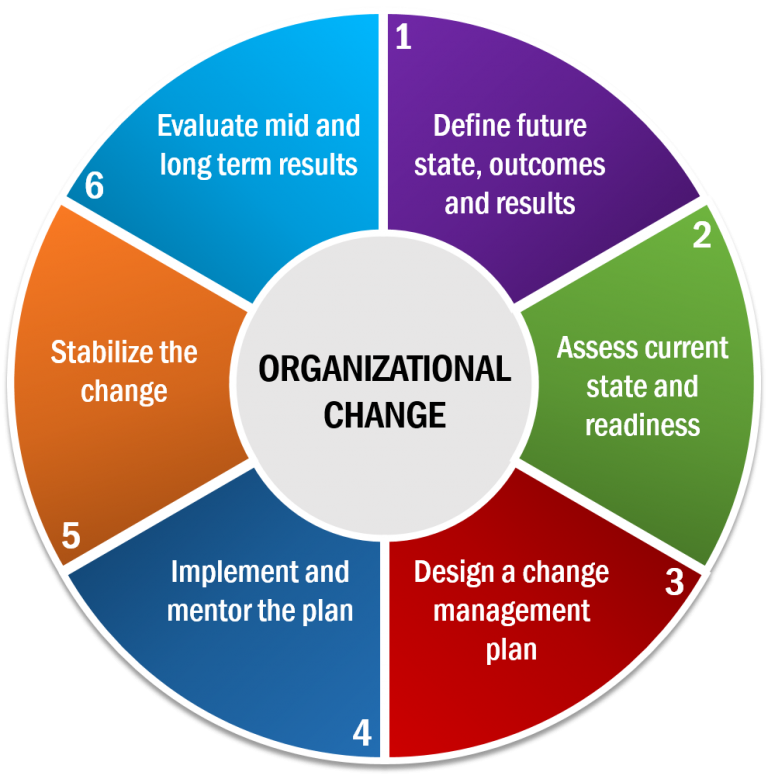
Organizational Change OEC STRATEGIC SOLUTIONS Change management

Why You Should Be Managing Up And How to Do It Effectively

Action Plan Template Lesson Plan Templates Personal Marketing Plan

Somehow I manage With images Leadership quotes Office quotes

The Key to Managing Up as an Executive Assistant Executive Leadership

Managing High Performing teams Management skills Organization

Design thinking mindsets collaborative humancentered iterative

Workforce Readiness

a woman with her arms crossed standing in front of a purple and white

Post a Comment for "Managing Up"